De la Calle al Pixel: Why Global Indie Devs Are Obsessed With Peru's Street Fashion Right Now
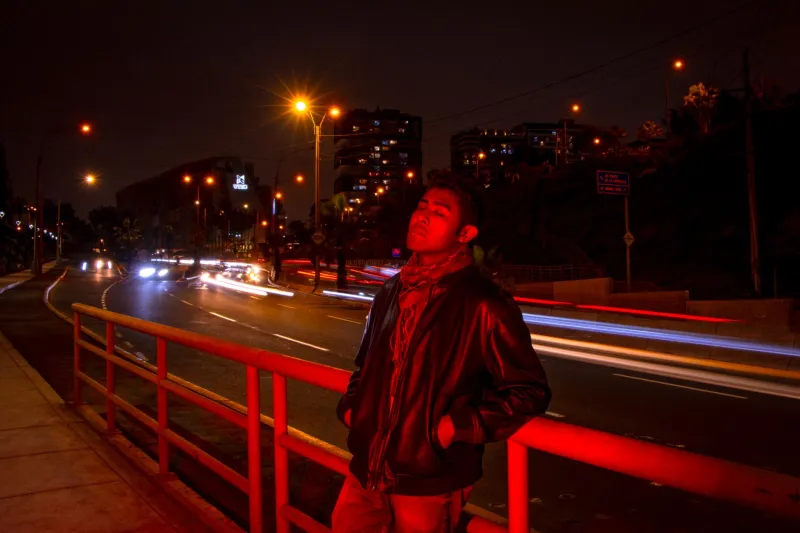
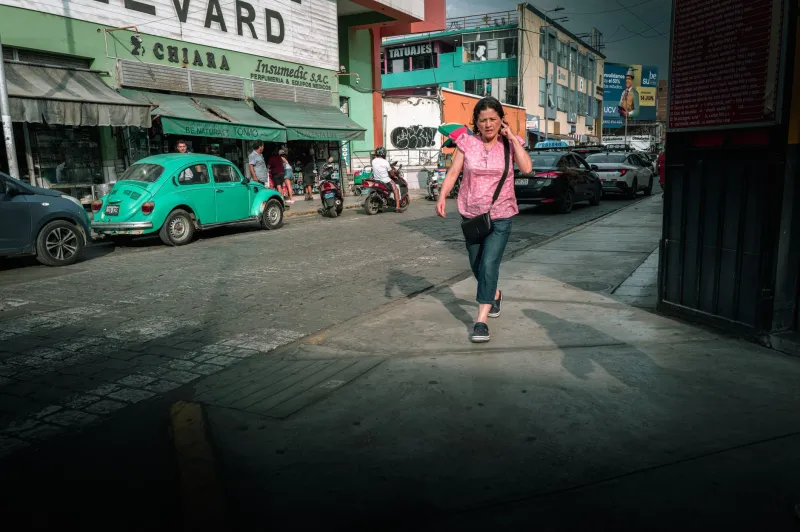
Walk through La Victoria on any given Saturday morning and you'll see it — the layered flannel over a pollera-inspired skirt, the chunky sneakers paired with woven belts, the gold chain sitting heavy over a graphic tee that somehow references both cumbia and trap at the same time. Lima's street culture has always been its own thing, a collision of Andean tradition, coastal hustle, and global youth culture filtered through a very specific kind of Peruvian ingenuity.
For years, that aesthetic lived mostly in the streets, in markets, in music videos that never quite broke through to international audiences. But something has shifted. Quietly, then suddenly, indie game developers from Brooklyn to Berlin to Seoul are name-dropping Lima as a primary visual reference. Character designers are building entire fashion systems around the cholo aesthetic. World-builders are constructing fictional cities that feel unmistakably like a Lima that never quite existed but somehow always should have.
This is the story of how Peru's street culture became one of the most sought-after visual languages in global indie gaming.
What Is the Cholo Aesthetic, Really?
Before we get into the games, it's worth unpacking what we're actually talking about — because "cholo" carries a lot of weight depending on who's using it and where.
In Peru, the term has been reclaimed by urban youth as a badge of pride. It's a fashion identity rooted in the experience of Andean migration to Lima, the blending of highland tradition with city survival, and a refusal to let either culture erase the other. Think layered clothing that nods to traditional weaving patterns but is worn with modern streetwear silhouettes. Think bold, saturated color palettes that feel almost aggressive in their confidence. Think an aesthetic that says I carry both worlds and I owe neither an apology.
For game designers hunting for something that feels genuinely new — not just another cyberpunk riff or post-apocalyptic gray palette — that kind of visual richness is basically a goldmine.
The Developers Who Are Paying Attention
Take Mara Velásquez, a Chilean-American indie developer based in Los Angeles whose upcoming RPG Cuesta Arriba has been generating serious buzz on the indie circuit. She's been open in interviews about the fact that her character design bible is half mood board, half Lima street photography.
"I grew up watching my cousins in Lima put together these outfits that were just — they were doing fashion in a way that nobody was talking about globally," she told us over a video call. "The layering, the color combinations, the way traditional textiles would show up in unexpected places. I couldn't find that anywhere in games, so I decided to build it."
Cuesta Arriba features a protagonist whose wardrobe evolves throughout the game based on cultural choices the player makes — a fashion system that rewards engaging with Andean-influenced streetwear alongside more Westernized options. The deeper you lean into the cholo aesthetic within the game's world, the more the narrative opens up.
Velásquez isn't alone. Across the indie scene, particularly among developers who prioritize cultural specificity over generic fantasy, Peru keeps coming up as a reference point. A Berlin-based studio currently in stealth mode — whose team asked not to be named ahead of their announcement — confirmed to SnipePeru that their concept artist spent three months compiling visual references from Lima's Gamarra textile district specifically for their game's fashion economy system.
Why Now?
The timing isn't random. A few things converged to put Lima's street culture on the global radar.
First, social media. TikTok and Instagram accounts documenting Lima's street fashion — particularly around districts like Breña, La Victoria, and San Juan de Lurigancho — have been quietly building international followings for the past few years. Fashion photographers like those behind accounts such as Calles de Lima have given international audiences their first real window into what's been happening on the ground.
Second, the broader indie game industry's pivot toward underrepresented aesthetics. After years of fantasy Europe and sci-fi America dominating visual design, players and critics alike started pushing back. The success of games drawing from West African, Southeast Asian, and Latin American visual traditions opened the door for more specific regional references — and Peru's street culture, with its inherent visual drama and layered cultural meaning, was perfectly positioned to walk through it.
Third — and this is something the Peruvian diaspora in the US deserves credit for — there's been a growing community of Peruvian-American creators in gaming, art, and design who have been actively advocating for their culture's visual traditions to be taken seriously on the global stage.
The Gamarra Connection
You can't talk about Lima's fashion influence without talking about Gamarra. The sprawling textile district in La Victoria is one of the largest fashion manufacturing hubs in Latin America, producing everything from fast fashion to high-end artisanal pieces. It's also a place where traditional Andean weaving techniques exist side by side with contemporary streetwear production.
For indie developers looking to understand the technical and material logic behind the cholo aesthetic — how fabrics layer, how colors interact, how traditional patterns translate into modern silhouettes — Gamarra is essentially a living design library.
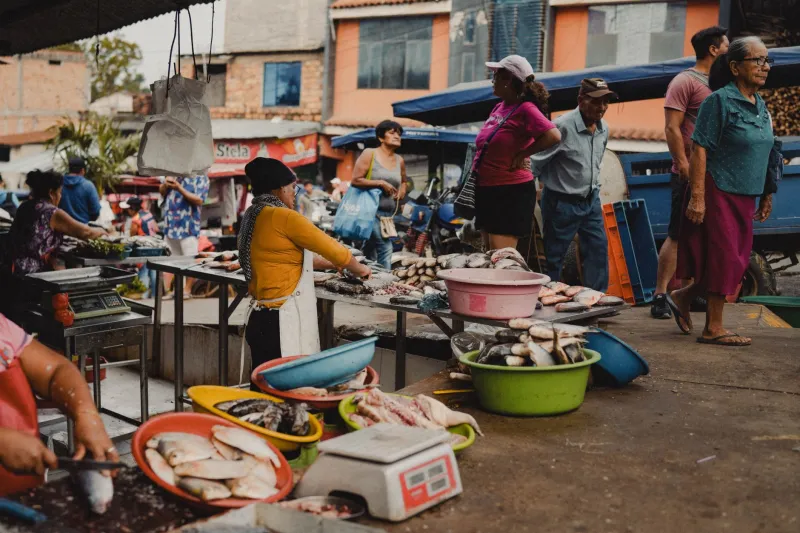
Several developers have mentioned using Gamarra as a research reference specifically for understanding how to build believable clothing physics and texture systems in their games. The district's visual density, its stacked market stalls and explosion of pattern and color, has also influenced environmental design in ways that go beyond fashion.
What This Means for Peruvian Developers
Here's the complicated part. When international developers draw from Peruvian street culture, the question of credit — and compensation — becomes real.
Peruvian indie developers have been building games rooted in their own cultural experience for years, often without the funding or platform access that their international counterparts enjoy. The risk, as always with these kinds of aesthetic movements, is that the culture gets absorbed into the global indie scene while the people who actually live it remain on the margins of the industry.
The best-case scenario — and there are signs this is actually happening — is that international interest in Peruvian aesthetics creates a rising tide that lifts local developers too. When players start seeking out games that engage authentically with Lima's street culture, Peruvian studios are uniquely positioned to deliver that authenticity in ways that no outside developer can fully replicate.
Studios like those we've covered before on SnipePeru are already building games that treat Lima's cultural landscape not as inspiration but as home turf. That's a different kind of authority, and it's one that the global indie market is increasingly learning to recognize and value.
The Aesthetic Is Just Getting Started
What's happening right now feels like the early stage of something much bigger. The cholo aesthetic in indie games isn't a trend that's going to peak and fade — it's tapping into a visual tradition that has decades of depth behind it, and developers are only beginning to understand how much is actually there.
For US audiences, many of whom are encountering this aesthetic for the first time through games, it's an entry point into a cultural conversation that Lima has been having with itself for generations. And for Peru — for the designers, the photographers, the kids in La Victoria putting together outfits that nobody outside their block was paying attention to — it's a long-overdue moment of recognition.
The pixel has finally found the street. And the street, as always, was ready.