El Mercado Tiene Memoria: How Lima's Street Markets Became a Secret Pipeline for the World's Rarest Gaming Relics
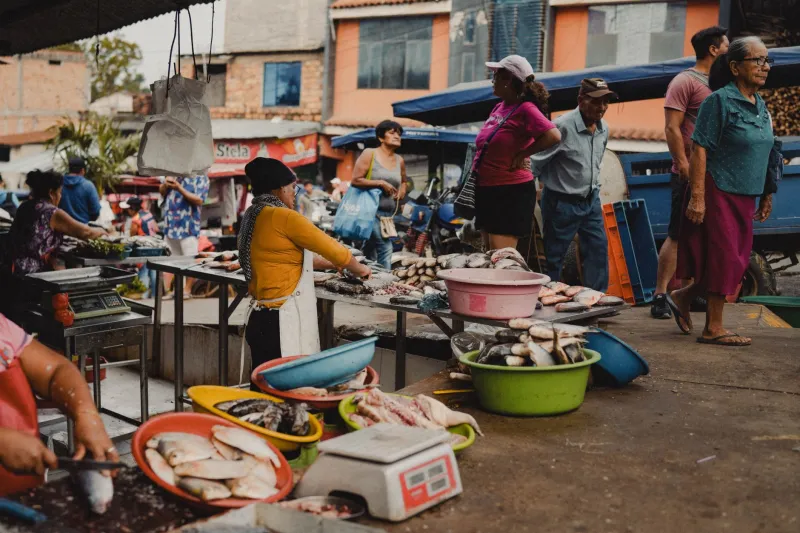
Walk through La Cachina on a Saturday morning and you'll smell the anticuchos before you see the electronics. Then, between the tangled extension cords and the stacked DVDs nobody wants anymore, something catches your eye — a cartridge label you half-recognize, a console shell in a color you've never seen stateside, a controller with a layout that doesn't match anything in your memory. You pick it up. You turn it over. And you start wondering where exactly this thing came from.
That moment of confusion? It's exactly what keeps collectors flying into Jorge Chávez International Airport.
The Mercado as Archive
Lima's informal markets — La Cachina, Polvos Azules, the electronics rows of Mesa Redonda — have long been destinations for people hunting cheap appliances, knock-off sneakers, and pirated media. But over the last decade, a different kind of shopper has started showing up: the retro gaming collector. And the vendors, sharp as ever, noticed.
"Before, people would just throw the old games in a box with cables and batteries," says Rodrigo, a vendor who's worked a stall in Polvos Azules for over fifteen years. "Now someone comes in, picks up a Famicom clone still in its box, and offers me three times what I was going to ask. You learn quick."
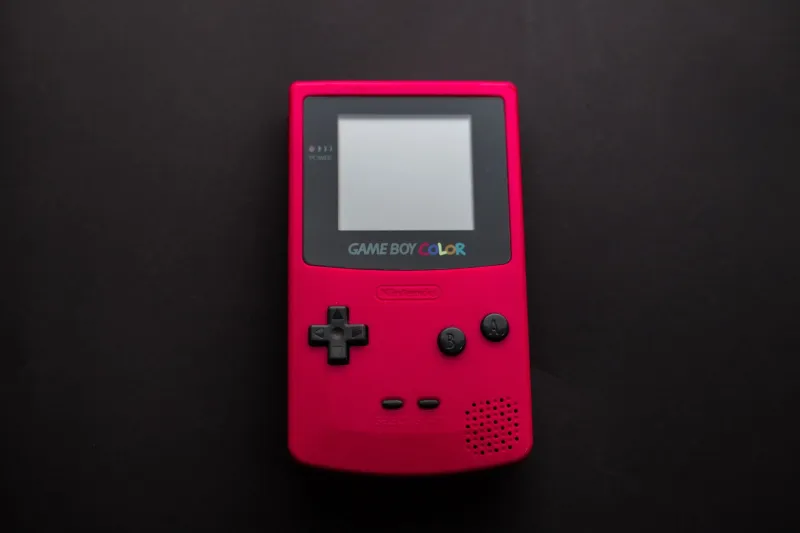
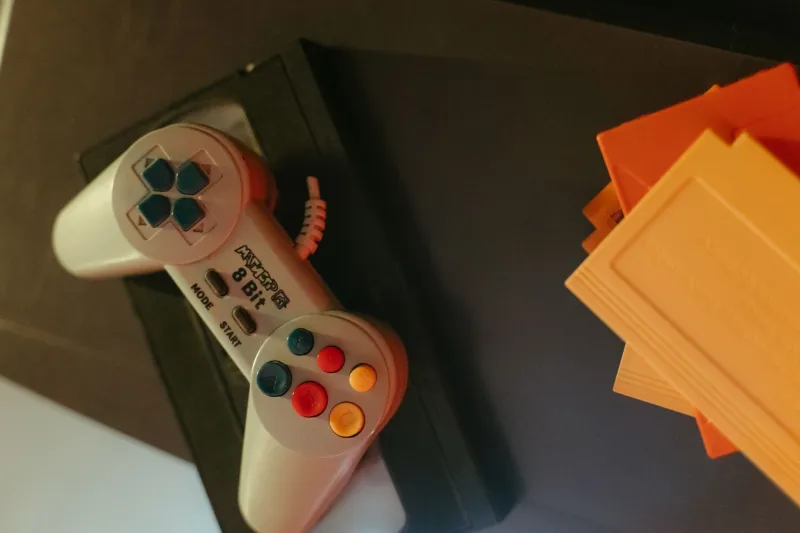
What's surfacing in these markets is genuinely remarkable. Peru's particular history with gaming — a mix of Japanese imports, Brazilian knockoffs, locally assembled clones, and a thriving bootleg cartridge scene that peaked in the late '80s and '90s — created a hardware ecosystem that simply doesn't exist anywhere else. Consoles that were sold under different names, cartridges with hand-labeled covers, multi-game compilations with bizarre regional programming. To a mainstream Western collector, it's completely alien. To a serious one, it's a goldmine.
The Collectors on the Other End
Meet Daniel Okafor, a retro gaming collector based in Houston who's made three separate trips to Lima in the past four years. He started going after a lead on a Peruvian-market variant of a Famiclone console that he'd only seen referenced in a single forum post from 2009.
"I found it on my second day," he says, still sounding a little disbelieving. "Just sitting in a bin. The vendor had no idea what it was. I paid less than ten bucks. Back home, I've seen similar units go for over two hundred."
Okafor is careful not to frame himself as someone swooping in to extract value from people who don't know better. "The vendors are savvy," he insists. "The ones who deal in electronics regularly — they're googling things on their phones while you're still looking at the item. They know the market is heating up. It's just that their pricing reference points are different."
That gap in reference points is at the heart of what makes this economy so complicated. A vendor in La Cachina might price a cartridge based on what similar-looking items sell for locally. A collector in Seattle or Atlanta might know that the same cartridge — because of its regional variant status, its bootleg label art, or its inclusion of a specific unlicensed game — is worth multiples of that on eBay or at a US retro gaming convention.
Authenticity, Bootlegs, and the Blurry Line Between
Here's where things get genuinely thorny. A significant chunk of what surfaces in Lima's markets isn't "authentic" in the traditional collector sense. Peru had a thriving bootleg cartridge industry, and many of the most interesting finds are unlicensed compilations, pirated ports, or locally produced games that were never officially recognized by any major publisher.
So what exactly are collectors preserving when they buy and ship these items internationally?
"That's the question nobody wants to sit with," says Valentina Cruz, a Lima-based cultural researcher who's been documenting the informal tech economy for several years. "These bootleg cartridges are absolutely part of Peruvian gaming history. They tell you something real about how people here accessed technology, what games were popular, how local entrepreneurs responded to a market that the official industry largely ignored. But the moment they leave the country and get graded and sold at a premium, that history gets repackaged as novelty."
Cruz isn't opposed to the trade, exactly. She's more interested in what gets lost in translation. "A Peruvian kid who grew up playing a pirated Contra port on a Famiclone has a completely different relationship to that cartridge than a collector in California who sees it as a rare variant. Both are valid. But only one of those perspectives tends to end up in the auction listing."
The Vendors Who've Leveled Up
Not everyone in this ecosystem is operating with incomplete information. A new generation of Lima market vendors has emerged who are, frankly, better informed about retro gaming values than most casual Western collectors.
Paolo, who runs a small stall specializing in vintage electronics near Mesa Redonda, follows several US-based retro gaming YouTube channels and checks PriceCharting.com regularly. He's built relationships with a handful of international buyers who alert him to specific items they're looking for.
"I had someone ask me to look for a specific Atari clone that was sold here in the early '90s under a different brand name," he says. "Took me three months, but I found two of them. We split the difference between what I'd charge locally and what he could get for it in the US. That's fair business."
This kind of negotiated arrangement — informal, trust-based, operating entirely outside official channels — is increasingly common. It's not unlike the networks that move vintage clothing or rare vinyl across borders. The mercado economy has always been adaptive. Gaming is just the newest thing it's adapted to.
What Stays, What Goes
The cultural export question doesn't have an easy answer. Some collectors and researchers argue that getting these items into the hands of serious archivists — even in the US — is better than watching them deteriorate in a bin or get thrown out during a market cleanup. Others push back hard on that logic, pointing out that it conveniently serves the people doing the buying.
What's clear is that Lima's markets are, right now, one of the most fertile grounds on earth for a specific kind of gaming archaeology. The hardware is there. The knowledge gap is closing. And the community — vendors, collectors, researchers, and the Peruvian gamers who grew up with this stuff — is increasingly aware of what's at stake.
The mercado has always had memory. The question now is who gets to keep it.