Barrio al Byte: How Lima's Street Style Is Quietly Rewriting the Rules of Indie Game Aesthetics
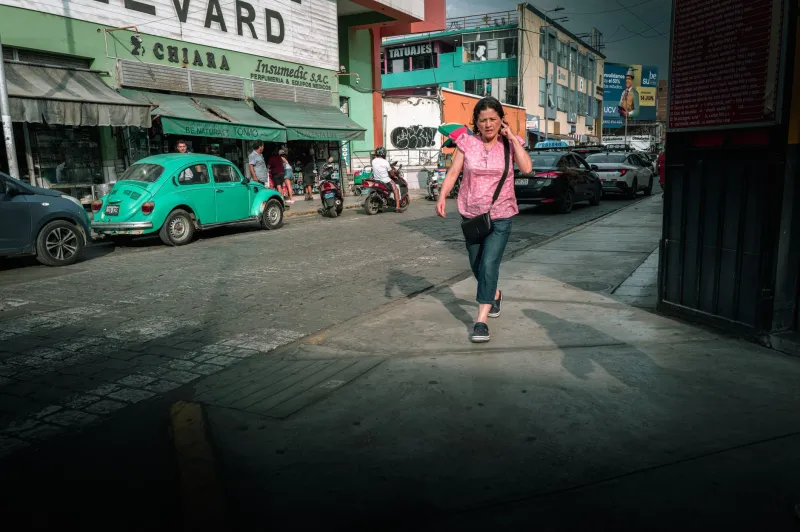
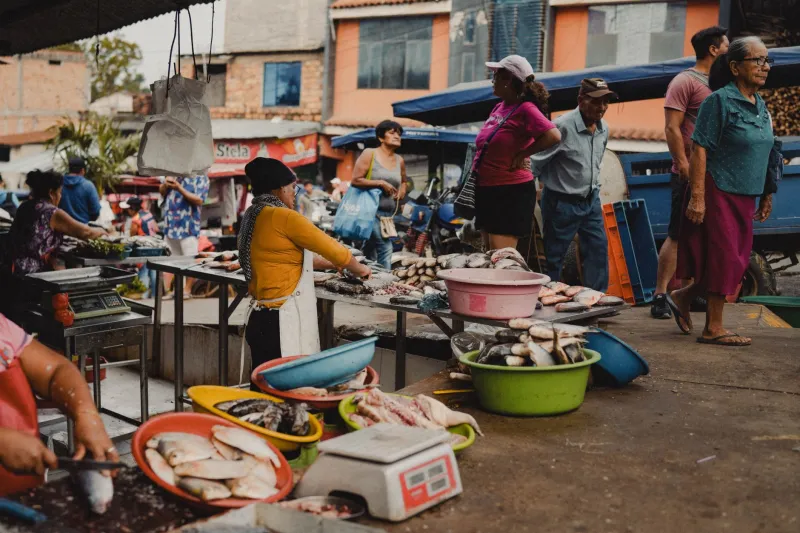
Walk through Gamarra on a Tuesday afternoon and you'll see something that no design school is teaching yet. Vendors stacking polyester prints next to hand-embroidered blouses. Kids in knock-off Jordans rocking ponchos like they were born wearing both. Color combinations that would make a Pantone executive sweat. It's chaotic, layered, and completely intentional — and a growing number of indie game developers are treating it like a goldmine.
The crossover between Peruvian street fashion and game design isn't happening in a boardroom. It's happening in cramped apartments in Lima's Cono Norte, in Discord servers that mix Spanish, Quechua slang, and game engine jargon, and in digital art communities where a pixel artist from Ate can drop a character sprite that stops scrollers cold in Tokyo or Brooklyn. This is cholo cyberpunk — and it's becoming one of the most talked-about underground aesthetics in indie game circles.
What Does "Cholo Cyberpunk" Actually Mean?
Let's be clear: this isn't a slur dressed up in neon lights. In Peru, "cholo" has been reclaimed — loudly — as a badge of identity, pride, and resilience. It carries the weight of migration, of Andean roots meeting urban concrete, of making something beautiful out of economic pressure. When developers and artists use the term, they're pointing at something specific: a visual and cultural sensibility born from the collision of indigenous heritage, Lima's working-class neighborhoods, and the hyperspeed remix culture of the internet.
Think of it as Blade Runner filtered through a Mesa Redonda market stall. Neon signage over ceviche carts. Cybernetic limbs wrapped in aguayo fabric. A protagonist whose outfit reads like a mural in El Agustino — layered, loud, and telling a story that has nothing to do with Silicon Valley's idea of the future.
"I got tired of designing characters that looked like they came from nowhere," says one Lima-based pixel artist who goes by the handle Qori_8bit and has been building a cult following through itch.io releases. "My characters wear what my cousins wear. What my tía wears when she goes to the market at six in the morning. That's not a costume — that's armor."
The Visual Codes That Are Crossing Over
So what exactly are developers borrowing from Lima's streets? It breaks down into a few specific threads — pun intended.
Layering as storytelling. In Lima's barrios, what you wear isn't just fashion — it's biography. A market vendor might layer a fleece over a pollera over a synthetic blouse, each piece carrying a different origin story. Developers are translating this into character design logic: the more layers a character has, the richer their backstory. It's worldbuilding through fabric.
Color without apology. Peruvian street style doesn't do muted. The chicha poster aesthetic — hot pinks, electric blues, aggressive yellows — has been bleeding into game UI design, character palettes, and even loading screens. Several international indie studios have credited Lima's visual culture as a direct influence on their color direction, even when the game itself isn't set in Peru.
Brand hybridity. The way Lima's street fashion mixes global brands with local craft — a Nike swoosh stitched next to a traditional motif, a Supreme-style logo on a huipil — maps perfectly onto the kind of worldbuilding that cyberpunk games live for. It signals a future where global capitalism and indigenous identity aren't opposites. They're in constant, uncomfortable, creative negotiation.
From Sprite Sheets to Digital Fashion Drops
The influence isn't staying in traditional game formats. A handful of Peruvian artists and developers are taking their aesthetic into NFT-based digital fashion and metaverse wearables — and finding audiences that are hungry for something that doesn't look like every other sci-fi drop.
One project that's been generating buzz in Latin American crypto-art circles is a collection of wearable skins modeled after the fashion of Lima's ambulantes — the street vendors who carry their entire inventory on their bodies. The concept: in a digital world where everyone's avatar looks like a tech bro or a fantasy elf, what does it mean to dress your digital self like someone who built their livelihood from the ground up?
"The ambulante is the original entrepreneur," says a digital artist behind the project, who asked to remain unnamed ahead of a formal launch. "They're resourceful, adaptive, and they move through hostile urban environments every day. That's literally the backstory of half the characters in the games people love. We're just making it visible."
International Eyes on Lima's Barrios
It's not just Peruvian developers doing this work. Indie studios in the US, Spain, and Japan have started reaching out to Lima-based artists as consultants and collaborators, specifically because they want access to a visual vocabulary that feels genuinely different.
A small Brooklyn-based studio currently in development on a near-future RPG set in a fictionalized version of a Latin American megacity brought on a Lima artist to lead character design. The brief? "Make it feel like the future that actually exists, not the future that gets imagined in California." The result is a cast of characters whose wardrobes read like a Gamarra fever dream — and early previews have drawn comparisons to everything from Jet Set Radio to early Moebius comics.
For Peruvian artists, the attention is welcome, but they're also clear-eyed about the dynamics at play. "There's a difference between collaboration and extraction," says Qori_8bit. "I'm happy to work with international studios, but I want credit, I want compensation, and I want the reference to be honest. Don't take the aesthetic and erase where it came from."
Why This Matters Beyond the Screen
The rise of cholo cyberpunk in game design is part of a bigger conversation happening across creative industries: whose futures get to be imagined, and by whom? For too long, the default visual language of science fiction and cyberpunk drew from East Asian megacities and Northern European tech culture. Lima — chaotic, layered, alive — offers something different. A vision of the future that's been living in the present for decades, built by people who had no other choice but to be creative.
When a kid in Comas boots up an indie game and sees a character dressed like their neighbor, wearing colors from their street, moving through a world that looks like somewhere they actually know — that's not just representation. That's a signal that the future belongs to them too.
And for the global gaming underground, hungry for something that doesn't feel recycled, Lima's barrios are delivering exactly that. One pixel, one polygon, one stitch at a time.