Huayno en 8 Bits: Los Compositores Peruanos Que Le Ponen Andes a tus Juegos de Steam
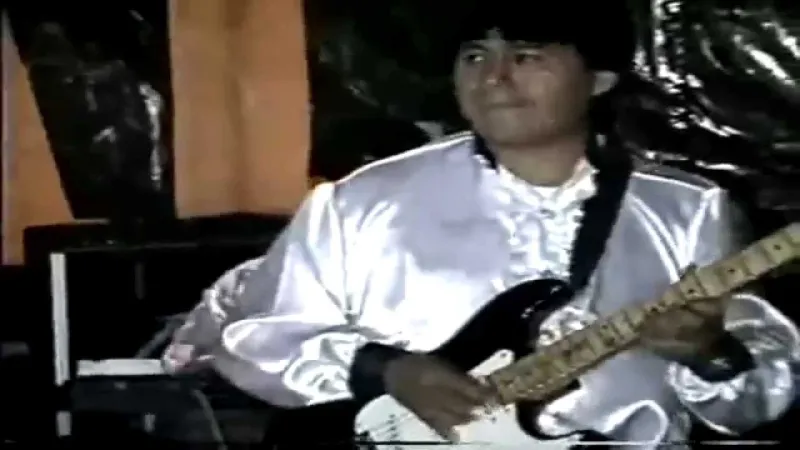
Photo: chicha music band electric guitar Peru Lima live performance, via i.ytimg.com
You've heard it without knowing it. That bouncy, slightly melancholy lead melody in an indie roguelike's soundtrack? That shimmering, reverb-drenched guitar line in a cozy farming sim? There's a decent chance it started life as a huayno from the Peruvian highlands, run through a synth and shipped to your Switch.
A small but increasingly influential scene of Peruvian composers is doing something remarkable: taking the sound of Lima's chicha circuit and the huayno tradition of the sierra, and rebuilding them inside chiptune trackers and modern DAWs. And Western indie studios can't seem to get enough.
What Chicha Sounds Like (And Why It Works in Games)
Quick primer for the uninitiated. Chicha — also called cumbia peruana — is what happened in the 1960s and 70s when Andean migrants brought huayno melodies to Lima and plugged them into electric guitars with heavy surf-rock reverb. The result is hypnotic: pentatonic minor-key guitar leads, relentless groove, a sound that's simultaneously joyful and haunted.
Game composers noticed something Western music theory has trouble replicating: that pentatonic melodic language creates instant atmosphere without needing lyrics. Loop it under gameplay and it works for exploration, combat, menus — everything. It's cheap to produce, distinctive, and no one else is using it. For indie studios hunting for a sound identity, it's a cheat code.
Three Names to Know
We spoke with composers across the scene, and three profiles kept coming up (names shared with their permission, styles paraphrased):
The Tracker Veteran. Learned on cracked FM software in Lima, now scoring pixel-art indie titles full-time. His signature move: sampling his uncle's huayno guitar recordings, pitching them to match a 16-bit palette, and letting the original tape hiss stay in the mix. "The noise is the Andes," he told us. "Clean audio is boring."
The Chicha Purist Turned Game Dev. Played in a live chicha band in Lima bars for a decade before a client on a game jam forum asked for "something like cumbia but for a dungeon." That one commission became a career. She now records real guitar takes and chops them into game loops — the rare composer whose Steam credits and bandcamp both slap.
The Diaspora Bridge. A Peruvian-American composer in Los Angeles who grew up on both SNES RPGs and his parents' huayno cassettes. He's the one US studios call first, because he speaks both languages — literally and musically — and can translate a design brief into a charango riff.
Your Listening List: Where to Hear the Andes in Games
Want to hear this sound for yourself? Here's the starter pack:
- Any indie game with "Andes-inspired" in its Steam tags — sort by soundtrack availability
- Peruvian game jam winners from the last three years — the Global Game Jam Lima entries are a goldmine
- Chicha compilations on Bandcamp, then check which composers list game credits
- Nintendo Switch indie showcases — listen for reverb-heavy pentatonic guitar leads
- The soundtracks of Peru-based studios like the teams behind recent Andean-mythology indies
Why This Isn't a Trend — It's a Pipeline
What makes this scene different from a passing aesthetic is infrastructure. Lima has conservatories, a huge street-level gig economy, and — critically — a generation that grew up with both chicha and video game music as the soundtracks of their lives. The pipeline from barrio band to Steam soundtrack is now walkable.
US studios are starting to figure out that if they want a sound nobody else has, they should hire the people who invented it. The composers, for their part, aren't waiting for permission. They're just making the music — and the world is finally pressing play.