El Panteón Que Cobra: Los Consultores Peruanos Detrás de los Demonios Andinos del Gaming
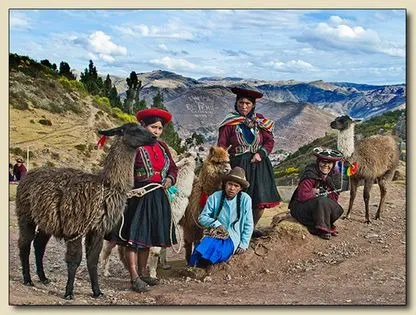
Photo: Allen Lubitz, Public domain, via Wikimedia Commons
There's a moment in a handful of the year's scariest indie horror releases where players freeze. Not because of a jump scare — because of the sound. A low, nasal chant in Quechua drifts through the headphones, and something about it feels older than anything else in the game. That's not an accident. That's a Peruvian consultant who got paid — or maybe didn't — to make sure the monster felt real.
The Andes Are Having a Horror Moment
Horror games have been mining the same exhausted well for two decades: Japanese schoolhouses, American cornfields, Slavic villages. Players are numb to it. So when developers started hunting for folklore that Western audiences hadn't already seen twenty times, they found the Andes — a mountain range stacked with entities that don't have any pop-culture baggage yet.
Quechua tradition is full of figures that translate terrifyingly well to game design. The Pukara spirits and demon lore tied to high-altitude ruins come with built-in mechanics: prohibitions, offerings, consequences for disrespecting sacred space. Then there's the Diablos de Huamanga, the devil figures of Ayacucho's famous Christmas-season dances — horned, masked, riotously colored, and frankly nightmare fuel if you take away the confetti.
"A designer in Berlin can sketch a horned creature in ten minutes," one Lima-based folklore researcher told us. "But it won't mean anything. The dance, the ritual, the obligation — that's the part they can't fake. That's why they call us."
Who's Actually Getting the Call
The pattern SnipePeru has tracked over the past year is consistent: a studio hits a cultural review wall, realizes their "Andean demon" looks like a generic goat-man, and starts DM-ing Peruvian illustrators on ArtStation.
The consultants fall into roughly three groups:
- The artists. Peruvian concept designers reworking creature silhouettes, masks, and textiles so the visual language reads as genuinely Andean rather than vaguely Mesoamerican — a mistake that happens constantly, and that Andean audiences notice immediately.
- The language keepers. Quechua speakers recording chants, correcting pronunciation, and flagging scripts where a phrase that's supposed to be a curse actually means something embarrassingly mundane.
- The ritual consultants. The folks who explain how an offering works, when a spirit appears, and why the community would fear it. This is the difference between a monster and a presence.
Some of these collaborations are genuinely good ones — credited, contracted, and paid at international rates. Others, per multiple sources who spoke on background, look a lot more like "we'll tag you in the credits if we remember."
The Rate Card Problem
Here's the uncomfortable math. A monster design that ends up on a game's Steam page, in its trailer, on its merch — that asset can be worth thousands of dollars of a studio's budget. The cultural knowledge behind it? Consultants report quotes ranging from fair day-rates to a $50 "thank you" and a name buried in a credits scroll.
Part of the problem is leverage. Peruvian freelancers competing for international gigs often can't afford to say no. Part of it is that folklore, legally speaking, belongs to nobody — which means studios can treat it like it's worth nothing.
But there's a counterargument gaining volume: some Peruvian creators are forming small collectives specifically to negotiate as groups, set minimum rates, and demand credit. Think of it as a guild forming in real time, one email negotiation at a time.
What Players Can Actually Do
If you're a US gamer who loved that Quechua chant in your new favorite horror game, you have more power than you think:
- Read the credits. Look for Peruvian names, look for Quechua language credits. Studios notice when players care.
- Ask the question publicly. A polite "who consulted on the Andean folklore?" in a Discord AMA does more than a hundred angry threads.
- Support the source. Peruvian horror devs making games from the culture — not just borrowing it — are out there, and they need wishlists more than the big studios do.
The Andean pantheon is having its moment in gaming. The question for 2025 is simple: when the demons sell a million copies, does any of that value flow back down the mountain?